English First Peoples 10
English First Peoples 10 asks the question, “How do words and stories help us understand who we are and bring about healing and reconciliation?” Through encounters with beautiful people, words, and art, students are invited to step into new worlds, and through those encounters, become more empathetic, compassionate people. The goal of this course is that students become thoughtful readers and writers who are able to give careful, discerning attention to stories in a variety of media. Students will encounter a novel, short stories, poems, music, visual arts, documentary films, and other texts from Indigenous authors and storytellers. Through these texts, students will have opportunities to wrestle with the way they understand the world, hopefully growing in wisdom as they do so.
This course has several overarching goals. One goal is for students to learn to recognize the importance of listening to other perspectives beyond their own. By becoming an empathetic listener, they can hopefully grow in their own wisdom and understanding of the world. Another goal is that students become more confident writers in a variety of genres. Students will complete an essay, tell their own story using a medium of their choice, and create a multi-genre project on an Indigenous theme that is important to them. Hopefully, through reading, listening, and writing, students will grow in their understanding of the power of words to bring about positive change in the world.
This course combines two, two-credit English First Peoples 10 courses: Literary Studies 10 and Writing 10. The two courses are fully integrated with each other. The course also fulfills the Indigenous Focus graduation course requirement for students in British Columbia.
EFP10 was designed to be an accessible option for students who may struggle with more challenging English courses. However, it is still sufficiently rigorous so that students who take this course will be well-prepared for the next level of their English studies. Course texts were carefully chosen to meet the dual aim of providing a course that is both accessible and at an appropriate academic level for a grade-10 English Language Arts course.
Table of Contents
*Each lesson is designed to take approximately 50 minutes to complete with the exception of major projects and assignments.
Lesson 1: Course Introduction
Lesson 2: Storytelling and Reconciliation
Lesson 3: Cultural Considerations
Lesson 1: The Story of Storytelling
Lesson 2: Oral Tradition
Lesson 3: Listening With Our Three Ears
Lesson 4: Features of First Peoples Oral Stories
Lesson 5: Coyote Stories
Lesson 6: First Peoples Story Protocols
Lesson 7: Themes in First Peoples Literature
Lesson 8: Stories From Your Neighbours
Lesson 1: Representation of Indigenous Peoples in Film and Television
Lesson 2: Grace Cove
Lesson 3: Representation Forum
Lesson 4: Indigenous Film Industry Profile
Lesson 5: Reel Injun, Part 1
Lesson 6: Reel Injun, Part 2
Lesson 7: Documentary Film Viewing
Lesson 8: Documentary Film Reviewing
Lesson 1: Introduction to The Evolution of Alice
Lesson 2: The Evolution of Alice, Chapters 1-2
Lesson 3: The Evolution of Alice, Chapters 3-4
Lesson 4: The Evolution of Alice, Chapters 5-7
Lesson 5: The Evolution of Alice, Chapters 8-11
Lesson 6: The Evolution of Alice, Chapters 12-15
Lesson 7: Essay Topic Selection
Lesson 8: Outlining, Thesis Statements, and Topic Sentences
Lesson 9: Introductory, Body, and Concluding Paragraphs
Lesson 10: Revising, Editing, and Publishing
Lesson 1: Short Stories, Part 1: “Someday”
Lesson 2: Short Stories, Part 2: “The Medicine Bag”
Lesson 3: Short Stories, Part 3: Richard Van Camp
Lesson 4: Short Story Analysis
Lesson 5: First Peoples’ Poetry, Part 1
Lesson 6: First Peoples’ Poetry, Part 2
Lesson 7: Influential Indigenous Musicians
Lesson 8: Indigenous Visual Artists
Lesson 9: Creating a Storywork
Lesson 1: Perspectives
Lesson 2: Perspectives on the Oka Crisis
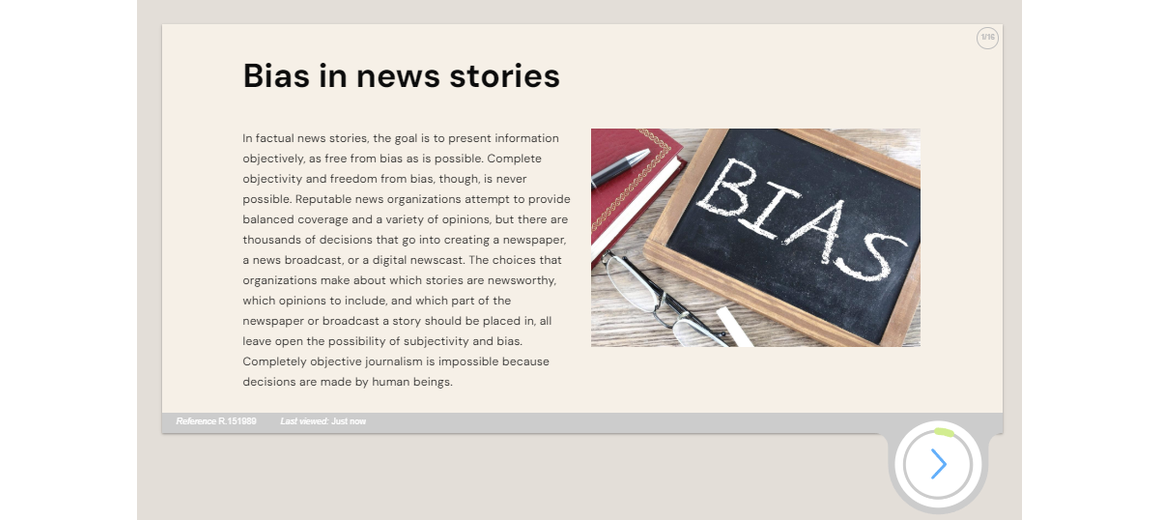
Lesson 3: Bias and Loaded Language
Lesson 4: News Source Reliability
Lesson 5: Aboriginal Peoples Television Network
Lesson 6: News Story Analysis
Lesson 1: Perspectives
Lesson 2: Perspectives on the Oka Crisis
Lesson 3: Bias and Loaded Language
Lesson 4: News Source Reliability
Lesson 5: Aboriginal Peoples Television Network
Lesson 6: News Story Analysis
Lesson 1: Final Project: Variations on a Theme
Lesson 2: Introduction to Nonfiction Genres
Lesson 3: Factual News Articles
Lesson 4: Editorial News Articles
Lesson 5: Satire News Articles
Lesson 6: Profile Articles
Lesson 7: Blog Articles
Lesson 8: Revising and Editing Articles
Lesson 9: Formatting and Publishing Final Product
Final Exam
Course Features
- Created in close consultation with Indigenous educators
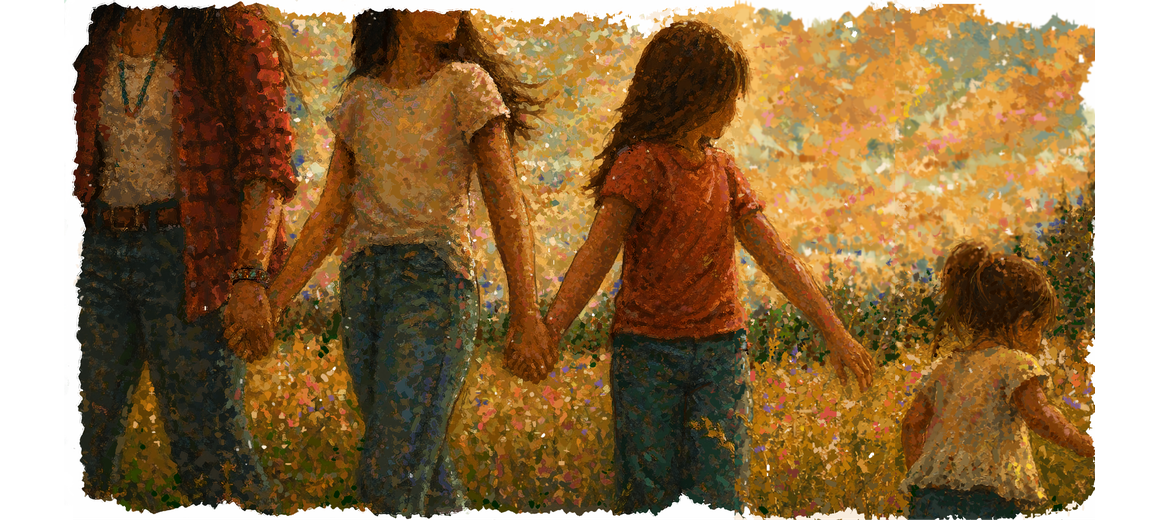
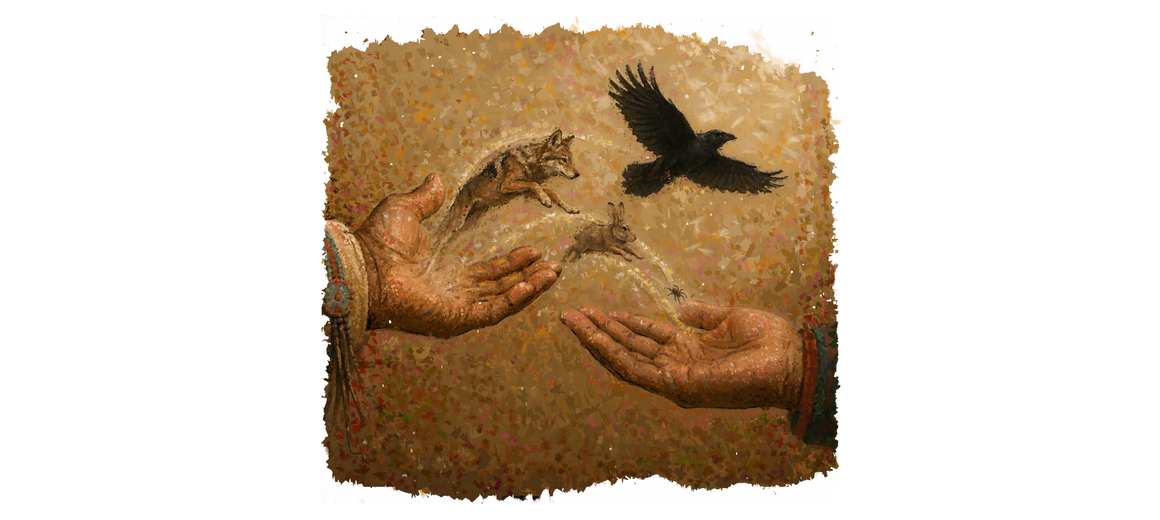
- Features beautiful illustrations and artwork designed by Indigenous Métis artist, Marie-Julie Lafrance
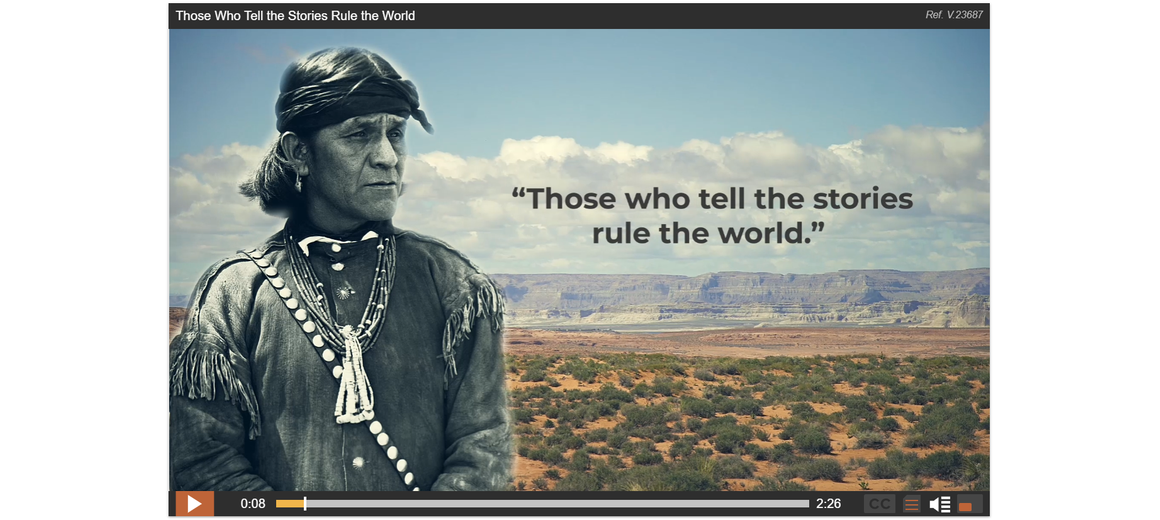
- Highlights Indigenous storytellers
- Includes an assortment of texts, such as:
- Indigenous Elder oral stories
- Novels
- Short stories
- Television programs and films
- Poetry
- Art, music, and sculpture
- Appeals to multiple learning styles with a variety of choice in completing some assignments and projects:
- Encourages students to explore how Indigenous wisdom can be applied to build stronger relations in a diverse world