Physical Geography 12
How do Earth’s systems shape our lives, and how do our choices, in turn, affect the planet? This is a central theme in Physical Geography 12, which invites students to explore the dynamic connections between Earth’s physical systems, human activity, and the environments they call home.
Students investigate Earth in motion, weather and climate, natural resources, environmental challenges, biomes, and sustainability while discovering how local and global systems are interconnected. Real-world case studies, data analysis, interactive tools, and meaningful inquiry help students move beyond memorizing geographic concepts to understand how Earth’s processes affect communities and how human decisions shape the future.
Physical Geography 12 is intentionally designed to provide students with a strong foundation in geographic concepts without relying on unnecessarily academic or technical material. Clear instruction, engaging visuals, interactive tools, and real-world examples make complex ideas approachable while encouraging students to think critically, make connections, and apply what they learn.
The course is also grounded in several of the First Peoples Principles of Learning, encouraging students to consider their relationship with the land, their communities, and the natural world. Indigenous knowledge and perspectives provide opportunities to deepen students’ understanding of place, sustainability, and responsible stewardship.
Across five units, students build the knowledge and critical-thinking skills needed to interpret the world around them and engage thoughtfully with environmental challenges. Each lesson combines engaging readings, interactive learning opportunities, flexible assessments, and opportunities for reflection and inquiry, providing a flexible online learning experience that supports diverse learners.
By the end of the course, students will have a deeper understanding of Earth’s systems and a greater awareness of their role in responsibly engaging with and caring for the world around them.
Table of Contents
Each lesson is designed to take 45-60 minutes to complete with the exception of major projects and assignments.
- Lesson 1: Get to Know the Course
- Lesson 2: Introduction to Physical Geography
- Lesson 3: The Earth’s Spheres and Their Importance
- Lesson 4: Impact on Natural Processes
- Lesson 5: Human Impact on Earth’s Systems
- Lesson 6: Local Systems in Focus
- Lesson 7: Ecological Consequences
- Lesson 8: Ecosystem Restoration Challenge, Part 1
- Lesson 9: Ecosystem Restoration Challenge, Part 2
- Lesson 1: Introduction to Plate Tectonics
- Lesson 2: Gradation Processes
- Lesson 3: Tectonic Activity and Natural Disasters
- Lesson 4: Human Adaptation and Mitigation Strategies
- Lesson 5: Risk Assessment and Urban Planning
- Lesson 6: Ecological and Societal Consequences
- Lesson 7: Earthquake Risk Mitigation Plan, Part 1
- Lesson 8: Earthquake Risk Mitigation Plan, Part 2
- Lesson 1: Sun-Earth Interactions and Climate Patterns
- Lesson 2: Weather Systems and Extreme Events
- Lesson 3: The Role of Oceans in Climate Regulation
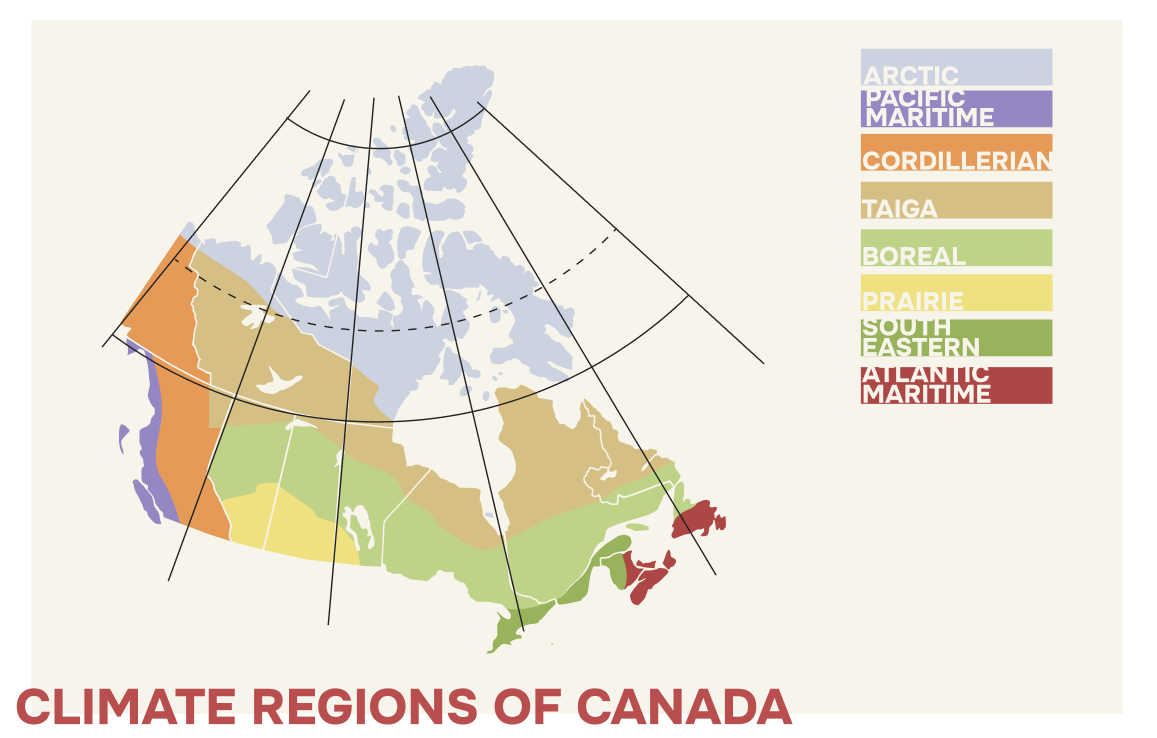
- Lesson 4: The Diversity of Climate in Canada
- Lesson 5: Human Impact on Climate
- Lesson 6: Human Response to Weather and Climate Hazards
- Lesson 7: Weathering the Future
- Lesson 1: Introduction to Natural Resources
- Lesson 2: Water at Risk
- Lesson 3: The Impact of Resource Extraction
- Lesson 4: The Cost of Powering the Planet
- Lesson 5: Renewable Energy Innovation
- Lesson 6: Policy Solutions to Environmental Challenges
- Lesson 7: Comparing Energy Solutions
- Lesson 1: Introduction to Global Biomes
- Lesson 2: Biodiversity and the Balance of Life
- Lesson 3: Biome Degradation
- Lesson 4: Biome Resilience
- Lesson 5: Sustainability in Action: Global Case Studies
- Lesson 6: Biome Protection Plan
Experience a lesson as your students would
Course Features
- Interactive games and activities to reinforce learning
- H5P activities for deeper learning and exploration
- Interactive forums and opportunities for peer engagement
- Flexible assessment formats, including presentations, podcasts, written work, and infographics
- Built-in glossaries to reinforce key vocabulary
- “Why It Matters” sections that connect learning to real life