Life Science 11
What if students discovered that every living thing has a story to tell — from the smallest cell to the most complex organisms on Earth? This course is intentionally designed as a journey of discovery through the lens of a field scientist and invites students to observe, question, investigate, and document the living world around them.
Students begin by exploring the foundations of life science, investigating what makes something living, how scientists study the natural world, and how both Western Science and Indigenous Science contribute to our understanding of life. They then examine the microscopic world of cells, discovering how cell structures support life, how organisms obtain and use energy, and how cells reproduce. Students investigate viruses and microorganisms, explore the mechanisms of evolution, and examine how scientists classify and organize the diversity of life. The course concludes with an exploration of plants and animals, focusing on their structures, adaptations, reproduction, and ecological importance.
Throughout the course, students engage in inquiry-based investigations, virtual labs, outdoor observations, research projects, and interactive activities that connect biological concepts to the world around them. In the “Get Outside” field observations and “What Are You Curious About?” investigations, students practice asking questions, evaluating scientific information, and using evidence to understand the living world. Along the way, students build competencies in scientific reasoning, communication, and evidence-based thinking — something they can carry with them into their futures.
Table of Contents
*Each lesson is designed to take 55-70 minutes to complete with the exception of major projects and assignments.
- Lesson 1: What is Life Science?
- Lesson 2: What is Living?
- Lesson 3: Core Concepts of
- Lesson 4: Core Concepts of Indigenous Science
- Part 1: Introduction to Cells
- Lesson 1: Unicellular and Multicellular Organisms
- Lesson 2: Cell Structure and Function
- Part 2: Cellular Energy
- Lesson 3: Cellular Energy
- Lesson 4: Photosynthesis
- Lesson 5: Cellular Respiration
- Part 3: Cell Division and Reproduction
- Lesson 6: Overview of Cell Division and Reproduction
- Lesson 7: Mitosis and Asexual Reproduction
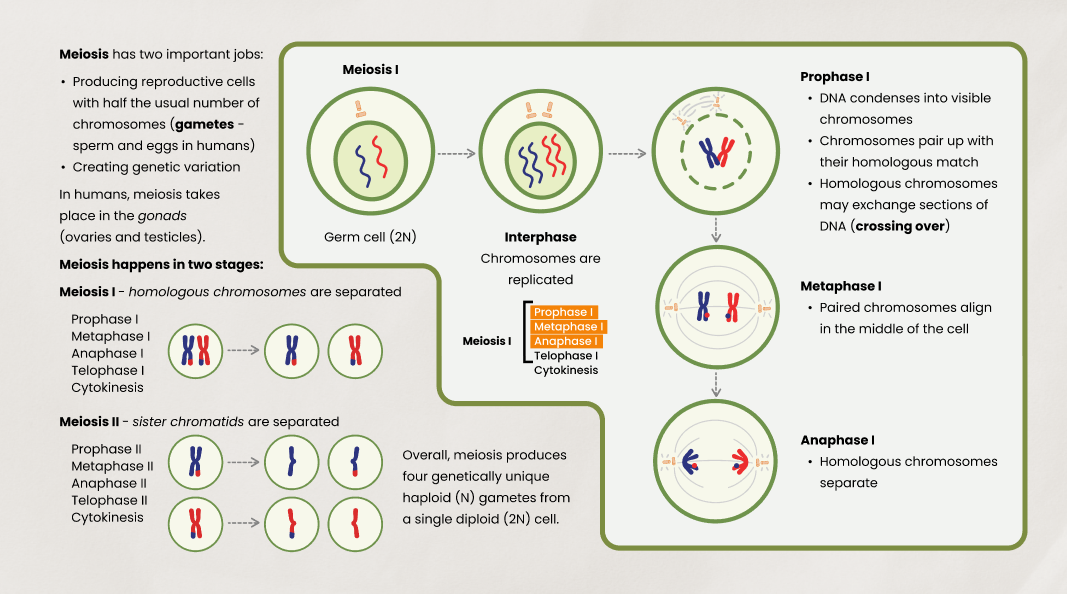
- Lesson 8: Meiosis and Sexual Reproduction
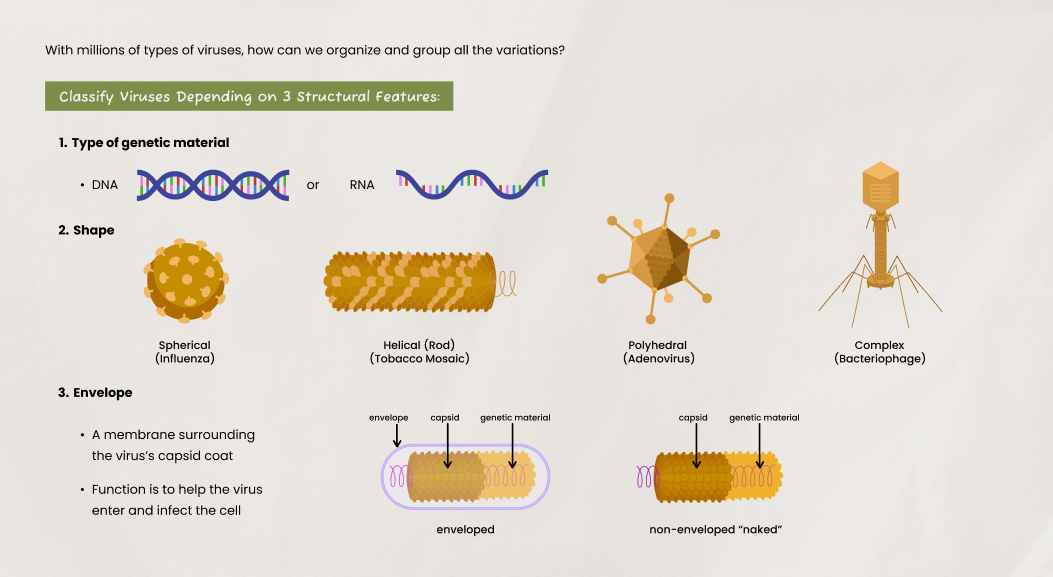
- Lesson 1: The Structure and Nature of Viruses
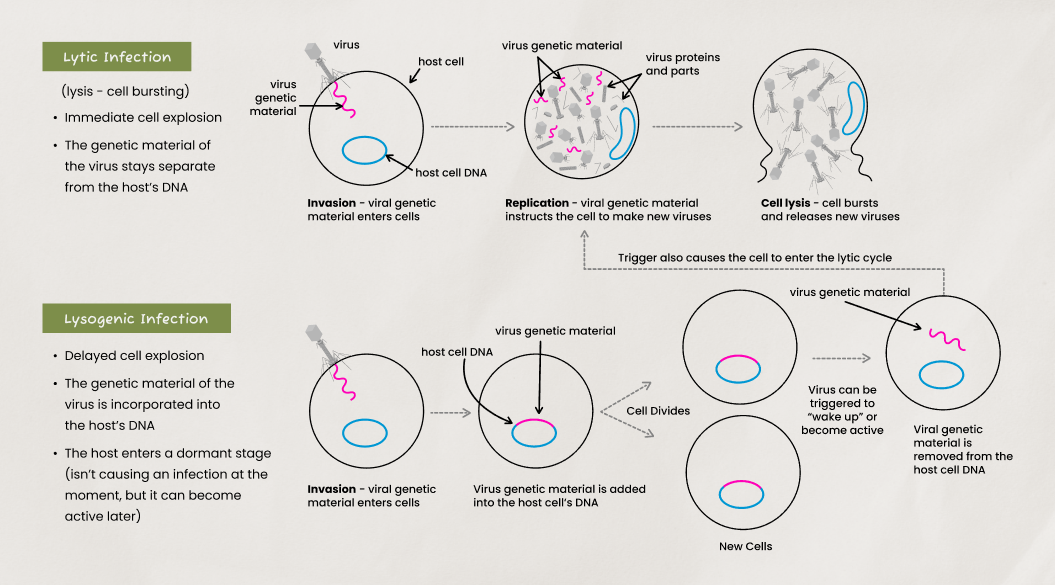
- Lesson 2: Viral Infection
- Lesson 3: Viral Disease: The Common Cold
- Lesson 4: Viral Disease: The Flu
- Lesson 1: Defining Evolution
- Lesson 2: Types of Selection
- Lesson 3: Microevolution: Population Genetics
- Lesson 4: Macroevolution: Speciation
- Lesson 1: Linnaean Classification: Organizing and Naming Species
- Lesson 2: Phylogenetic Classification: Mapping Relationships
- Lesson 3: First Peoples Classification
- Lesson 1: Archaea
- Lesson 2: Bacteria
- Lesson 3: Protists
- Lesson 4: Fungi
- Lesson 1: From Bizarre to Brilliant: Why Plants Matter
- Lesson 2: Plant Basics: How to Spot and Sort Them
- Lesson 3: Plant Reproduction
- Lesson 4: Traditional Plant Knowledge
- Lesson 1: Introduction to Animals
- Lesson 2: Animal Body Plans
- Lesson 3: Animal Diversity – Invertebrates
- Lesson 4: Animal Diversity – Chordates
Experience a lesson as your students would
Course Features
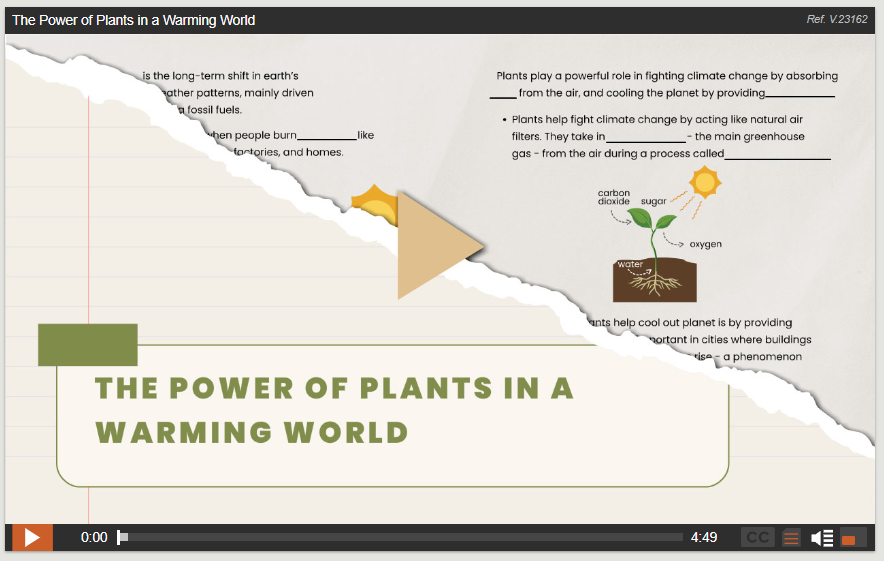
- Instructional videos use animated diagrams to enhance engagement and support learning
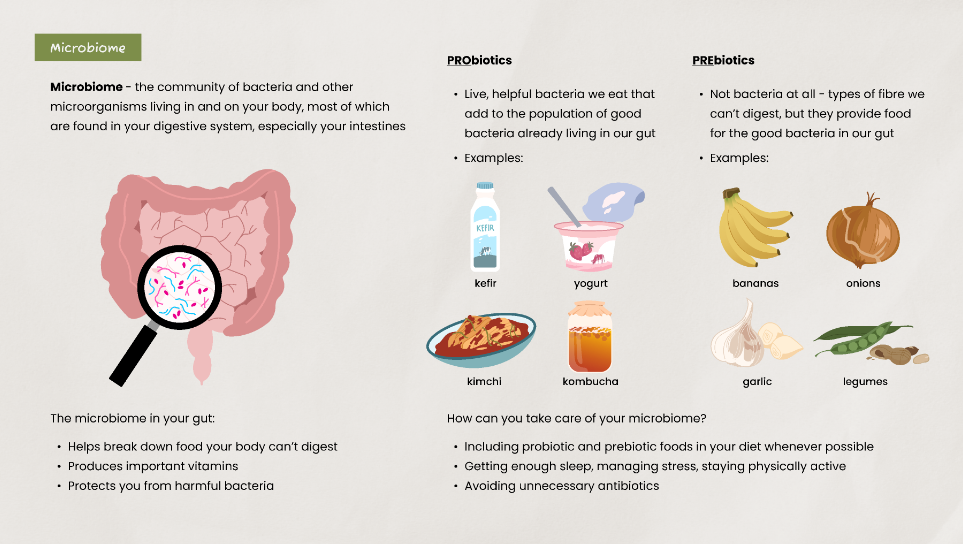
- Printable note packages guide students through key concepts as they watch instructional videos
- H5P interactives give students opportunities to practise and reinforce lesson material
- Vocabulary flashcards help students review and build familiarity with key terms
- Comprehensive review materials support learning and prepare students for unit assessments
- Each lesson includes a vocabulary terms document, lesson summary, review worksheet, and answer key for students to check their understanding