Science 6
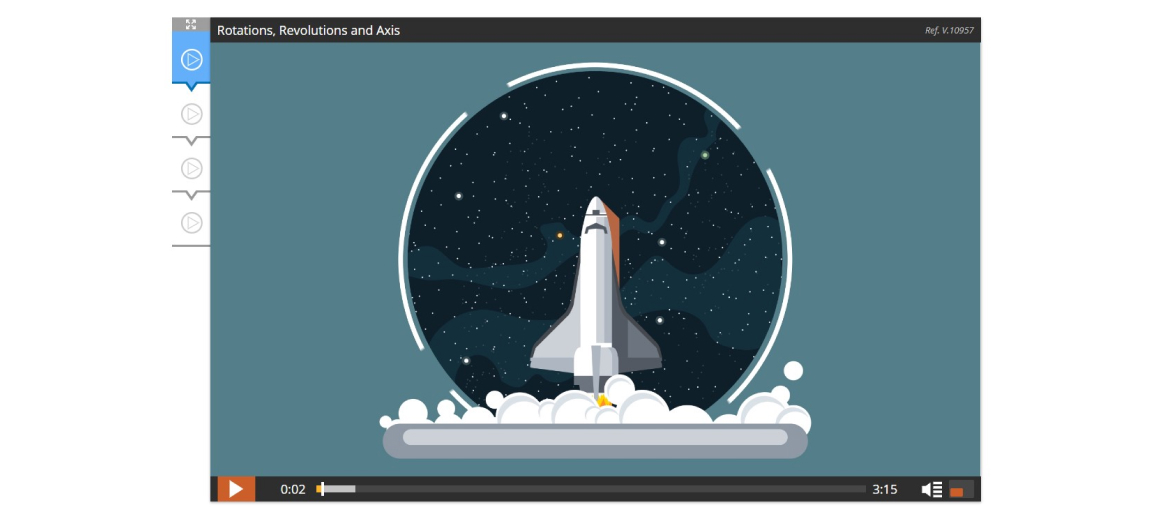
Earth Science: The Universe is a vast space with so many intricacies involved. With a focus on the Milky Way and its parts, this unit starts off with an extreme environment on Earth that bridges the gap between Earth and Space. We then move beyond Earth to explore the planets and other components of the Universe. Along the way students will be creating a Survival Guide which will help anyone know what is needed to survive in these different extremes, or if it is even possible!
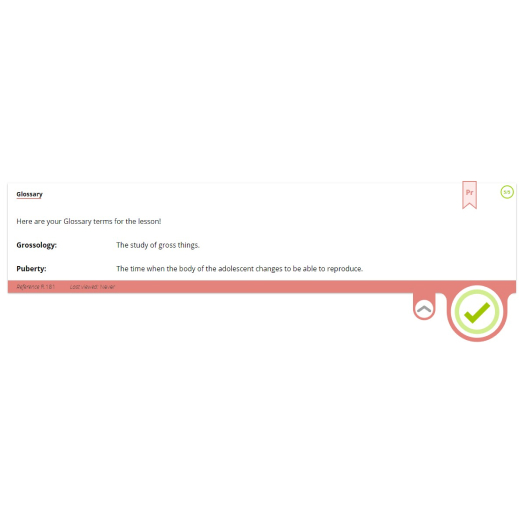
Biology: Eww! Gross! This unit is sure to be a favorite for students as we explore the human bodies and discuss why ‘gross’ isn’t gross, but is totally natural and expected! Students will compile reports, interview adults, write speeches, draw comic strips and in the end, compile a book entitled ‘A Pre-Teen’s Guide to the Gross and Glorious Human Body’.
Chemistry: Do we have any food lovers? Whether you are or you aren’t, we all need food to survive, and even better if it tastes good! Students will apply their Chemistry learning to create a cookbook called, Mix-It-Up – Cooking with Chemistry, involving both homogeneous and heterogeneous mixtures, as well as separated mixtures. Maybe by the end of this module students will be able to cook dinner?
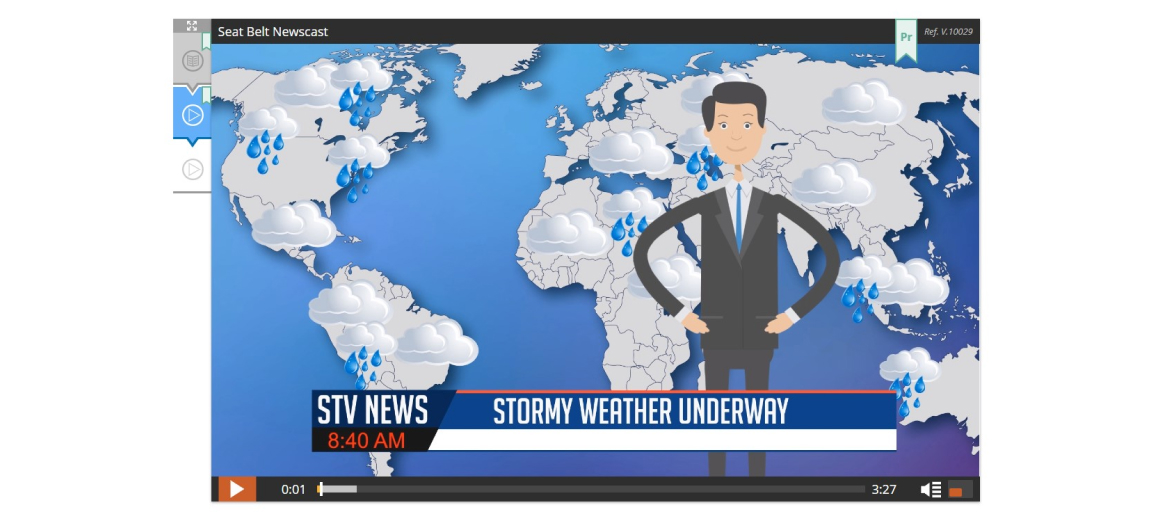
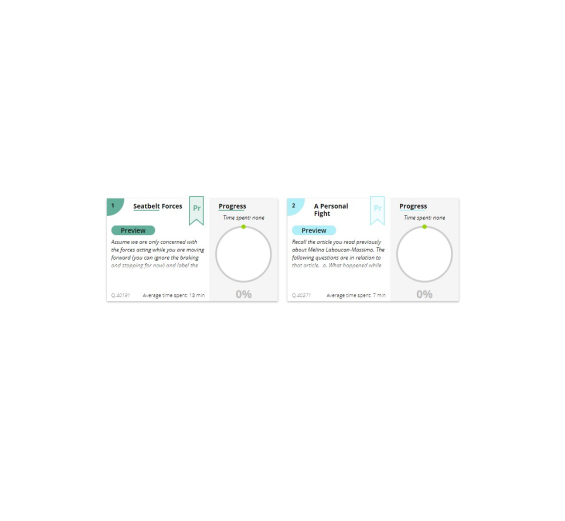
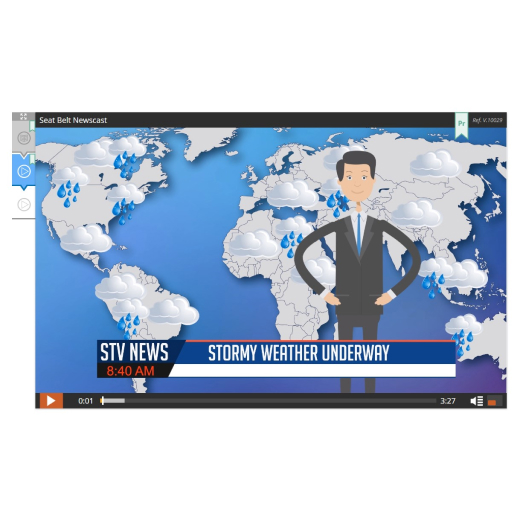
Physics: The laws have changed – it’s no longer a requirement for adults to wear seatbelts, but is this the right choice? We’ll explore Newton’s Three laws of Physics, and apply them to the idea of cars and seatbelts to determine if it’s a wise choice to wear or not wear a seatbelt. In the end, students will become an activist for their choice and should be able to defend their choices based on the labs, results and information they’ve learned through the module.
Table of Contents
Lesson 1: Introduction to Grossology
Lesson 2: Excretory System
Lesson 3: Grossology
Lesson 4: Puberty
Lesson 5: Lifespan Development
Lesson 6: Nervous System: Brain
Lesson 7: Nervous System: Nerves
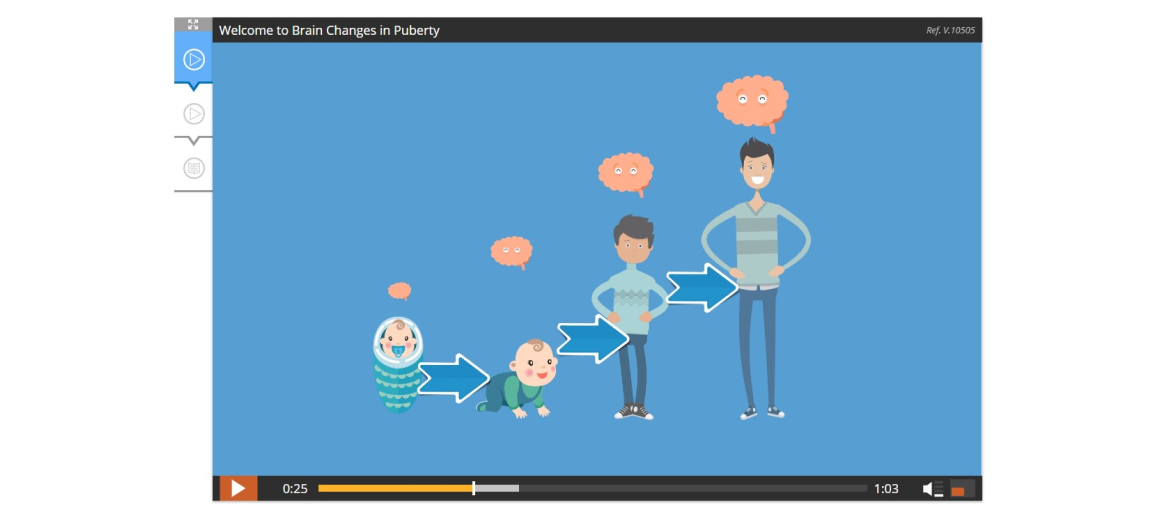
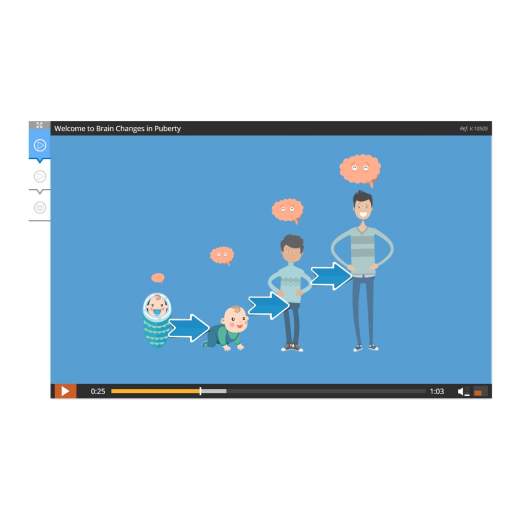
Lesson 8: Brain Changes in Puberty
Lesson 9: Endocrine System
Lesson 10: Hormone Changes in Puberty
Lesson 11: Reproductive System – Female
Lesson 12: Reproductive System – Male Lesson 13: Needs During Puberty
Lesson 14: Taking the Gross out of Grossology
Project: Preteen’s Guide Project
Lesson 1: Introduction
Lesson 2: What is Force?
Lesson 3: Forces in a Car
Lesson 4: Newton’s First Law – Inertia
Lesson 5: The Importance of Seatbelts
Lesson 6: Inertia in a Car
Lesson 7: Newton’s Second Law (F=ma)
Lesson 8: Mass is Related to Force
Lesson 9: Newton’s Third Law
Lesson 10: Balloon Propeller Lab Activity
Lesson 11: Action/Reaction Forces in Collisions
Lesson 12: Outline Your Argument
Lesson 13: Become an Activist
Project: Become an Activist
Project: Seat Belt Safety
Lesson 1: Introduction to Mixtures
Lesson 2: Types of Mixtures
Lesson 3: Homogeneous Mixtures
Lesson 4: Heterogeneous Mixtures: Suspensions
Lesson 5: Heterogeneous Mixtures: Colloids
Lesson 6: Heterogeneous Mixtures: Emulsions
Lesson 7: Common Medicines
Lesson 8: Separation Techniques
Lesson 9: Exploring Density
Lesson 10: Separation Based on Density
Lesson 11: Separation Based on Particle Size
Lesson 12: Jam and Jelly Part 1
Lesson 13: Jam and Jelly Part 2
Lesson 14: Wrap It Up!
Project: Mix it Up – Cooking with Chemistry
Lesson 1: What is Extreme?
Lesson 2: Ocean Extreme
Lesson 3: Technology in Exploration
Lesson 4: Exploring the Universe
Lesson 5: Survival in Space
Lesson 6: The Earth and the Moon
Lesson 7: Modeling the Earth and Moon
Lesson 8: The Sun and Stars
Lesson 9: The Inner Planets
Lesson 10: The Outer Planets
Lesson 11: More Outer Planets
Lesson 12: Comets, Black Holes and Other Things in Space
Lesson 13: Space in Culture
Lesson 14: Survival Guide
Project: Survival Guide
Experience a lesson as your students would
Course Features
- Fun activities such as creating comic strips, and conducting interviews
- Relating Earth Science to activism, students will feel connected to the earth
- Students will get to use their culinary skills exploring chemistry in the kitchen
- Students take on the role of space explorer to learn about our universe