English 2
Can words be a means by which the world can become a better place? English 2 answers that question with a resounding, “Yes,” emphasizing the power of the words to promote justice and highlight the value of human life. What is true justice? What is the value of human life? And, how can literature and writing and speeches be part of making things in the world more whole, more complete, and more just? How can words be used to make wrong things right?
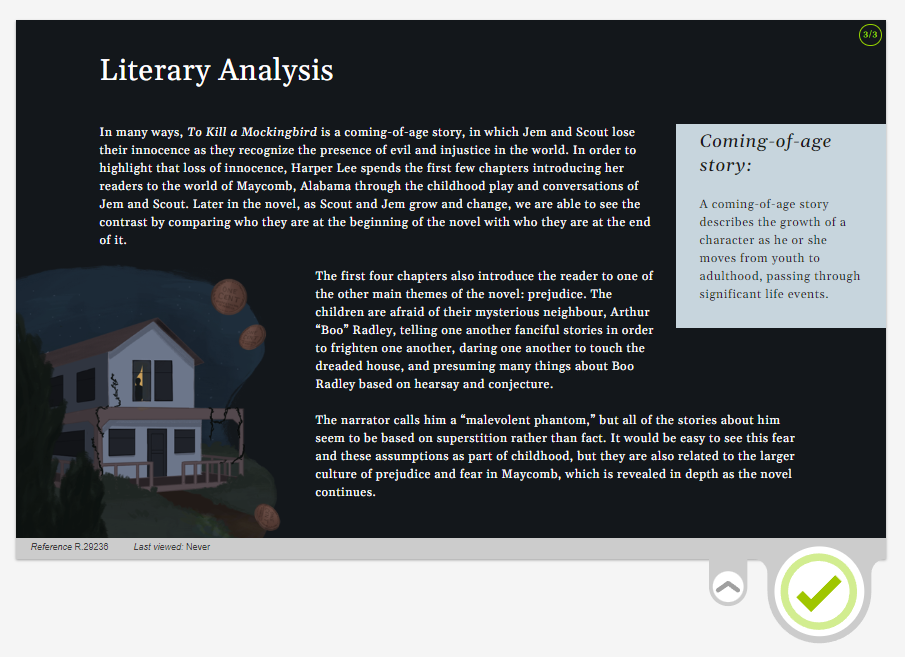
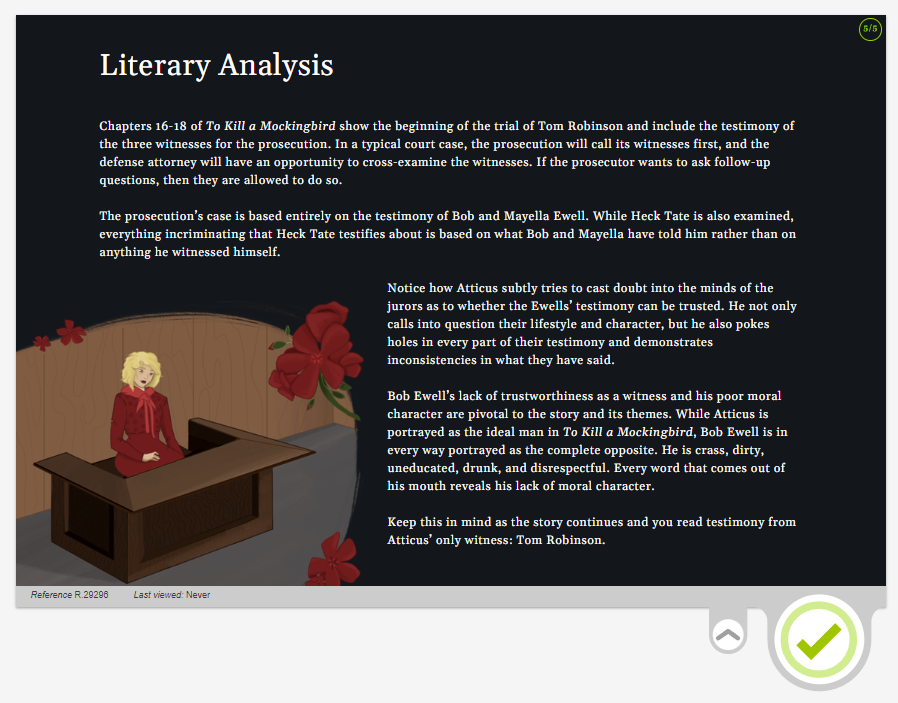
In this course, students will dive into classic literature like The Merchant of Venice and choose between To Kill a Mockingbird and Monster, examining universal themes while wrestling with these works’ imperfections. They will also study a wide variety of other texts, including songs, speeches, poems, and short stories. Students will also hone their own writing skills, developing their ability to positively influence others through their own words, so that they too, might use their words to make the world a more just place.
An honors version of the course is also available, offering greater volume and rigor than the standard course. Each unit includes at least one honors extension, which may involve an additional lesson and assignment, or an expanded version of a standard assignment. For the novel study, honors students choose between To Kill a Mockingbird and Just Mercy.
Table of Contents
*Each lesson is designed to take 60 – 90 minutes to complete with the exception of major projects and assignments.
- Introduction to Course Themes
- “I Have a Dream”
- Langston Hughes
- Images of War
- Lesson Assignment: Power of Words Assignment
- “The Lady or the Tiger?”
- Honors Lesson: Studying and Imitating Poets
- Honors Assignment: Imitating a Poet Assignment
- “Just Lather, That’s All”
- Lesson Assignment: Classic Short Story Responses
- Creating Character and Conflict
- Lesson Assignment: Narrative Writing Assignment
- Theme Song Project: Poetic Devices
- Theme Song Project: Theme Paragraph
- Theme Song Project: Editing
- Theme Song Project: Final Touches
- Unit Assignment: Theme Song Project
- Introduction to Nonfiction
- Strategies for Reading Nonfiction
- Point of View and Voice
- Tone and Mood
- Diction
- Lesson Assignment: Narrative Nonfiction Assignment
- Context
- Rhetoric and Reasoning
- Honors Lesson: Comparing Douglass and King
- Honors Assignment: Creative Dialogue Assignment
- Expository Writing
- Lesson Assignment: Nonfiction Reflection Questions
- Lesson Assignment: Oral Instructions Challenge
- Brainstorm and Build an Argument
- Research: Finding and Using Reliable Evidence
- Organize and Outline Your Argument
- Draft, Polish, and Present
- Unit Assignment: Nonfiction Project
Option 1: To Kill a Mockingbird or Monster
- To Kill a Mockingbird Introduction or Introduction to Monster
- To Kill a Mockingbird Chapters 1–4 or Monster Prologue
- Lesson Assignment: Reading Journal Assignment
- To Kill a Mockingbird Chapters 5–8 or Monday, July 8th
- To Kill a Mockingbird Chapters 9–11 or July 7th–8th
- To Kill a Mockingbird Chapters 12–15 or July 9th–10th
- To Kill a Mockingbird Chapters 16–18 or July 11th–12th
- To Kill a Mockingbird Chapters 19–22 or July 13th–14th
- To Kill a Mockingbird Chapters 23–26 or Friday Afternoon, July 17th
- To Kill a Mockingbird Chapters 27–31 or Epilogue
- Robert Frost’s “Nothing Gold Can Stay” or Langston Hughes’ “Harlem”
- Essay Topic Selection
- Outlines, Thesis Statements, and Topic Sentences
- Introductory, Body, and Concluding Paragraphs
- Revising and Editing
- Unit Assignment: Literary Essay
Option 2: To Kill a Mockingbird or Just Mercy
- To Kill a Mockingbird Introduction or Just Mercy Introduction to the Novel
- To Kill a Mockingbird Chapters 1–4 or Just Mercy Introduction
- Lesson Assignment: Reading Journal
- To Kill a Mockingbird Chapters 5–8 or Just Mercy Chapters 1–2
- To Kill a Mockingbird Chapters 9–11 or Just Mercy Chapters 3–4
- To Kill a Mockingbird Chapters 12–15 or Just Mercy Chapters 5–6
- To Kill a Mockingbird Chapters 16–18 or Just Mercy Chapters 7–8
- To Kill a Mockingbird Chapters 19–22 or Just Mercy Chapters 9–10
- To Kill a Mockingbird Chapters 23–26 or Just Mercy Chapters 11–12
- To Kill a Mockingbird Chapters 27–31 or Just Mercy Chapters 13–14
- Just Mercy Chapters 15–16/Epilogue
- Robert Frost’s “Nothing Gold Can Stay” or W.E.B. Du Bois’ “Of the Coming of John”
- Essay Topic Selection
- Outlines, Thesis Statements, and Topic Sentences
- Introductory, Body, and Concluding Paragraphs
- Revising and Editing
- Unit Assignment: Literary Essay
Final Exam
Semester 1 Exam
- Introduction to Shakespeare
- Quiz: Intro Quiz
- The Merchant of Venice, Act 1
- The Merchant of Venice, Act 2
- The Merchant of Venice, Act 3
- The Merchant of Venice, Act 4
- Lesson Assignment: Shakespeare in Our Speech Assignment
- The Merchant of Venice, Act 5
- Lesson Assignment: The Merchant of Venice Reflection Questions
- Lesson Assignment: Vocabulary Log
- Cultural Prejudice in The Merchant of Venice
- Lesson Assignment: Responding to Literary Criticism
- The Merchant of Venice Performance
- Introduction to Shakespeare’s Sources (Enrichment, Optional Lesson)
- Comparing Gesta Romanorum and Il Pecorone to The Merchant of Venice (Enrichment, Optional Lesson)
- Unit Assignment: The Merchant of Venice Performance Assignment
- World War II Novel Study Choices
- World War II Novel, Part 1
- World War II Novel, Part 2
- World War II Novel, Part 3
- World War II Novel, Part 4
- World War II Novel, Part 5
- World War II Book Review
- Unit Assignment: World War II Book Review
- Final Project: Variations on a Theme
- Introduction to Nonfiction Genres
- Factual News Articles
- Editorial News Articles
- Satire News Articles
- Profile Articles
- Blog Articles
- Revising and Editing Articles
- Formatting and Publishing Final Product
- Final Cumulative Assignment: Variations on a Theme Final Project
Final Exam
Semester 2 Exam
Experience a lesson as your students would
Course Features
- “60-second Seminars” – short, humorous instructional videos
- Grammar games
- Spaceblaster
- Puncturation
- Word Bounce
- Other interactives – effort has been made to ensure that there is at least one per unit in some of the challenge areas so students give extra time and attention to key skills like summarizing text, practice with inferences, “choose your own consequence” (expository writing), Shakespeare timeline, etc.
- Flexibility – Wherever possible/reasonable, summative assessments offer maximum student choice and flexibility so that the course can feel very personalized, enhancing engagement
- Thoughtfully-chosen core texts: To Kill a Mockingbird by Harper Lee is the main novel study, with Monster by Walter Dean Meyers being offered as a replacement text for those who prefer it. In the honors version of the course, students/schools can choose between To Kill a Mockingbird and Just Mercy by Bryan Stevenson. Shakespeare’s The Merchant of Venice is another major text studied.
- Collaboration projects: Two collaboration projects are offered as an extension of the core course. These projects are designed to help students connect with their peers and work with course themes through collaborative work. An independent option can be offered when collaboration with a peer is not productive or possible. Each project includes step by step instructions, worksheets, and a rubric for assessment.